The Difference Between Transparent, Semi-Transparent, and Solid Deck Stains
People seeking deck staining often want to enhance appearance and protection, and local contractors can help choose and apply the right transparent, semi-transparent, or solid stain for their needs.
Understanding the difference between transparent, semi-transparent, and solid deck stains is essential for property owners looking to enhance and protect their outdoor spaces. Each type offers a distinct look and level of coverage, making it important to choose the right option based on the deck’s condition, the desired aesthetic, and how much of the wood’s natural beauty should show through. Property owners in the area often explore this topic to ensure their decks not only look great but also withstand the elements, which is where local contractors specializing in deck staining can provide valuable guidance and expert application.
Choosing the appropriate stain can significantly impact the longevity and appearance of a deck, especially when considering factors like color, transparency, and maintenance needs. Local service providers are experienced in helping property owners navigate these choices, ensuring the selected stain complements the existing outdoor environment and meets practical needs. Keeping reading can help uncover the key differences between these stain types, empowering property owners to make informed decisions and connect with trusted local contractors who can bring their vision to life with professional results.
- Transparent deck stain - ideal for homeowners who want to showcase the natural wood grain and need local contractors to apply a light coating that enhances wood appearance without hiding it.
- Semi-transparent deck stain - suitable for those seeking a balance between color and wood grain visibility, with local service providers offering options that add tone while allowing texture to show through.
- Solid deck stain - best for decks with previous stain or damage, where local pros can provide opaque finishes that completely cover the wood surface for a uniform look.
- Transparent deck stain - often chosen by clients wanting minimal color change, with local contractors focusing on careful preparation to preserve the wood’s natural beauty.
- Semi-transparent deck stain - recommended for decks needing a bit more protection and color, with local pros applying multiple coats for durability and aesthetic appeal.



When homeowners search for information about the difference between transparent, semi-transparent, and solid deck stains, they are often trying to determine which type of stain best suits their outdoor space and aesthetic preferences. This topic is relevant for those planning to refresh or protect a deck, especially when considering how much of the wood’s natural appearance they want to showcase. Many property owners are interested in understanding how each type of stain affects the look, durability, and maintenance needs of their deck. These considerations are particularly important for those with wooden decks exposed to the elements, as the right stain can extend the life of the surface and enhance its visual appeal.
The choice among transparent, semi-transparent, and solid deck stains relates directly to a homeowner’s plans for their outdoor space. Some may want a natural, wood-grain look that highlights the deck’s original character, while others may prefer a more uniform appearance that offers additional coverage. Problems often arise when homeowners select a stain that doesn’t match their maintenance expectations or aesthetic goals, leading to dissatisfaction or the need for frequent reapplication. Additionally, property types that commonly come up include residential decks, multi-family housing, or commercial outdoor spaces, each requiring different considerations for durability and appearance. Local contractors can help evaluate the specific conditions and recommend the best stain type to meet those needs.
Understanding the differences between these stain types also helps property owners anticipate how their decks will age over time. Transparent stains are designed to provide minimal coverage, allowing the wood grain and natural color to show through, but they may require more frequent reapplication as they wear faster. Semi-transparent stains offer a balance, providing some color and protection while still showing the wood’s texture. Solid stains, on the other hand, function more like paint, offering maximum coverage and hiding imperfections, but they may need more preparation and can be more challenging to remove or recoat later. Local service providers specializing in deck staining can assess the deck’s condition and advise on the most suitable stain type based on the property’s exposure, usage, and desired look.
Choosing the right stain is a practical decision that connects directly to a homeowner’s long-term maintenance and visual goals. Homeowners should consider how much of the wood’s natural beauty they wish to preserve, how often they’re willing to recoat, and the level of protection needed against weathering. Local pros can provide guidance on these factors, helping property owners select a stain that will meet their expectations and stand up to local climate conditions. Whether a homeowner wants a subtle enhancement or a bold, uniform finish, understanding the difference between transparent, semi-transparent, and solid deck stains is essential for making an informed choice and achieving a successful deck restoration project.
Fence staining projects - professionals skilled in applying stains can help achieve the desired look while protecting wood surfaces, similar to deck stain applications.
Exterior wood siding refinishing - understanding stain opacity levels is essential for enhancing curb appeal and durability, making it relevant to deck stain options.
Porch and patio furniture finishing - local contractors can assist in selecting and applying appropriate finishes that match or complement deck stain types.
Wood deck restoration - involves preparing and treating aged wood surfaces, requiring knowledge of stain types to ensure proper sealing and appearance.
Outdoor pergola and gazebo staining - applying semi-transparent or solid stains to outdoor structures demands similar skills to those used in deck staining projects.
Fence and gate finishing - choosing the right stain opacity is crucial for aesthetic and protective purposes, with local service providers able to guide the process.
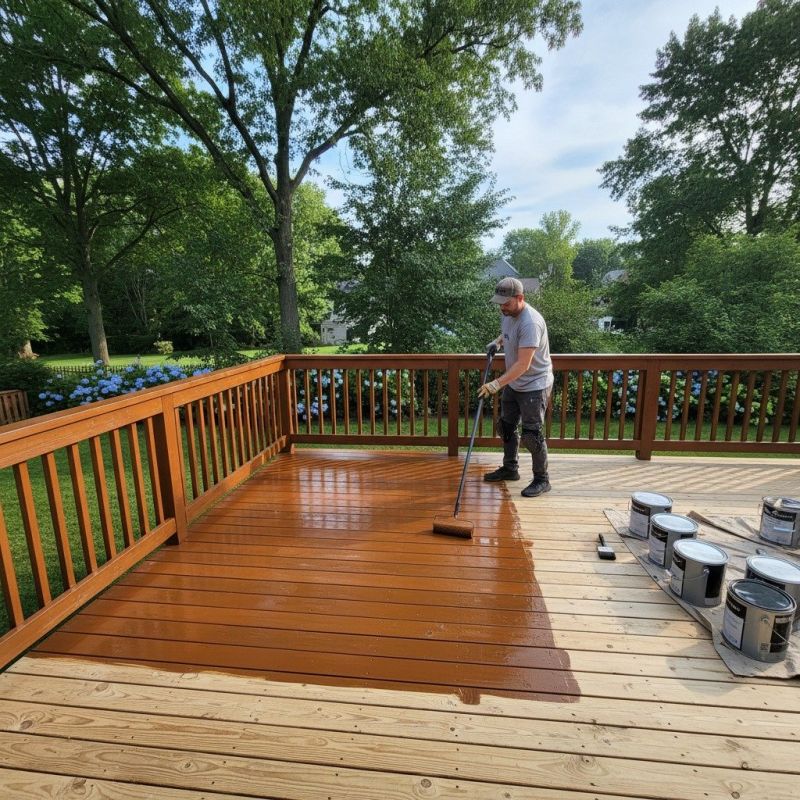
When comparing service providers for deck staining, it’s important to consider their experience with similar projects. Homeowners should inquire whether the local contractors have a proven track record working with different types of stains, particularly when it comes to the nuances between transparent, semi-transparent, and solid deck stains. An experienced professional will understand how each stain type interacts with various wood surfaces and conditions, ensuring the chosen product enhances the deck’s appearance and longevity. This familiarity helps ensure the project is completed efficiently and that the results meet expectations, especially when selecting a stain that aligns with the homeowner’s desired look and durability requirements.
Clear written expectations are essential when evaluating local contractors for deck staining services. Homeowners should seek detailed descriptions of what the job entails, including surface preparation, application methods, and the type of stain recommended. This transparency helps prevent misunderstandings and provides a basis for comparing different providers. It’s also beneficial to ask how the contractor plans to address specific concerns related to the difference between transparent, semi-transparent, and solid deck stains, such as how each will impact the deck’s appearance and maintenance needs. Well-defined expectations foster trust and ensure that both parties are aligned on the scope and quality of the work.
Reputable references and good communication are key indicators of reliable local service providers. Homeowners should ask for examples of previous projects similar in scope and stain type, as well as contact information for past clients who can share their experiences. Effective communication involves timely responses to questions, clear explanations of options, and a willingness to discuss the pros and cons of each stain type based on the homeowner’s preferences. Choosing a contractor who demonstrates professionalism and transparency in their interactions can lead to a smoother project process and a result that closely matches the homeowner’s vision for their deck.
Property owners often search for the difference between transparent, semi-transparent, and solid deck stains when they are planning practical projects around their homes and businesses. Local pros provide Deck Staining services for everyday jobs and straightforward project options.

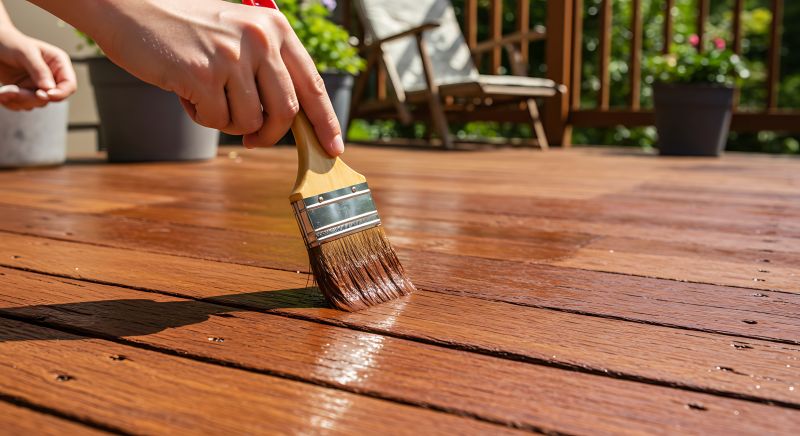
Understanding the difference between transparent, semi-transparent, and solid deck stains can help property owners choose the right finish for their outdoor space. Transparent stains are ideal for highlighting the natural beauty of the wood, offering minimal coverage while providing basic protection against the elements. They are often selected by those who want to preserve the wood’s original appearance and are suitable for decks that are in good condition. Semi-transparent stains offer a bit more coverage, adding color and enhancing the wood grain without completely hiding it. This type of stain is a popular choice for homeowners seeking a balance between aesthetic appeal and protection, especially when the deck has some imperfections or weathering that needs a slight concealment.
Solid deck stains provide the most coverage, effectively hiding the wood’s surface with a uniform color. They are often used on decks that have seen significant wear or damage, or when a more opaque finish is desired to change the look entirely. Property owners considering a deck stain often look for professional service providers who can advise on the best type of stain based on the deck’s condition and their desired appearance. Local contractors experienced in deck staining can help determine which stain type will offer the best protection and visual outcome, ensuring the project meets both functional and aesthetic goals.
What is the main difference between transparent, semi-transparent, and solid deck stains? The primary difference lies in how much of the wood’s natural appearance is visible. Transparent stains offer minimal coverage, showcasing the wood grain, while semi-transparent stains provide some color while still revealing the wood’s texture. Solid stains provide the most coverage, hiding the wood’s natural look entirely.
How do local contractors recommend choosing between these types of deck stains? Local service providers typically suggest selecting a stain based on the desired aesthetic and level of protection. They consider factors like wood type, exposure to elements, and personal style preferences to recommend the most suitable option.
Are there advantages to using semi-transparent or solid stains over transparent ones? Yes, semi-transparent and solid stains tend to offer better protection against weathering, UV rays, and wear. They can also help conceal imperfections in the wood, making them a practical choice for decks that need more coverage.
Can local pros help determine which stain type will look best on a specific deck? Absolutely. Experienced contractors can assess the condition of the wood, your aesthetic preferences, and the environment to recommend the most appropriate stain type for your deck.
What should I consider when deciding on a deck stain type with the help of local service providers? Consider factors such as the desired appearance, level of wood grain visibility, protection needs, and maintenance requirements. Local pros can guide you through these choices to ensure the stain complements your deck and withstands local conditions.
Understanding stain opacity - property owners can choose the appropriate stain based on how much of the wood grain they want visible, with local contractors guiding the selection process.
Matching stain type to deck style - selecting transparent, semi-transparent, or solid stains can enhance different deck aesthetics, and local service providers can recommend options that complement the home's design.
Considering durability and maintenance - property owners can decide which stain type offers the balance of appearance and longevity suited to their lifestyle, with local pros providing application expertise.
Assessing color options and finishes - choosing the right stain color and finish can update a deck’s look, and local contractors can help select the best product for the desired visual effect.
If you are thinking about the difference between transparent, semi-transparent, and solid deck stains for a property, this guide is meant to help you understand this topic, the typical project types, and how different options might fit your plans.
When you are ready, you can use the quote form on this page to share a few details about your project. From there, local pros can review the basics and follow up with options that match what you have in mind.